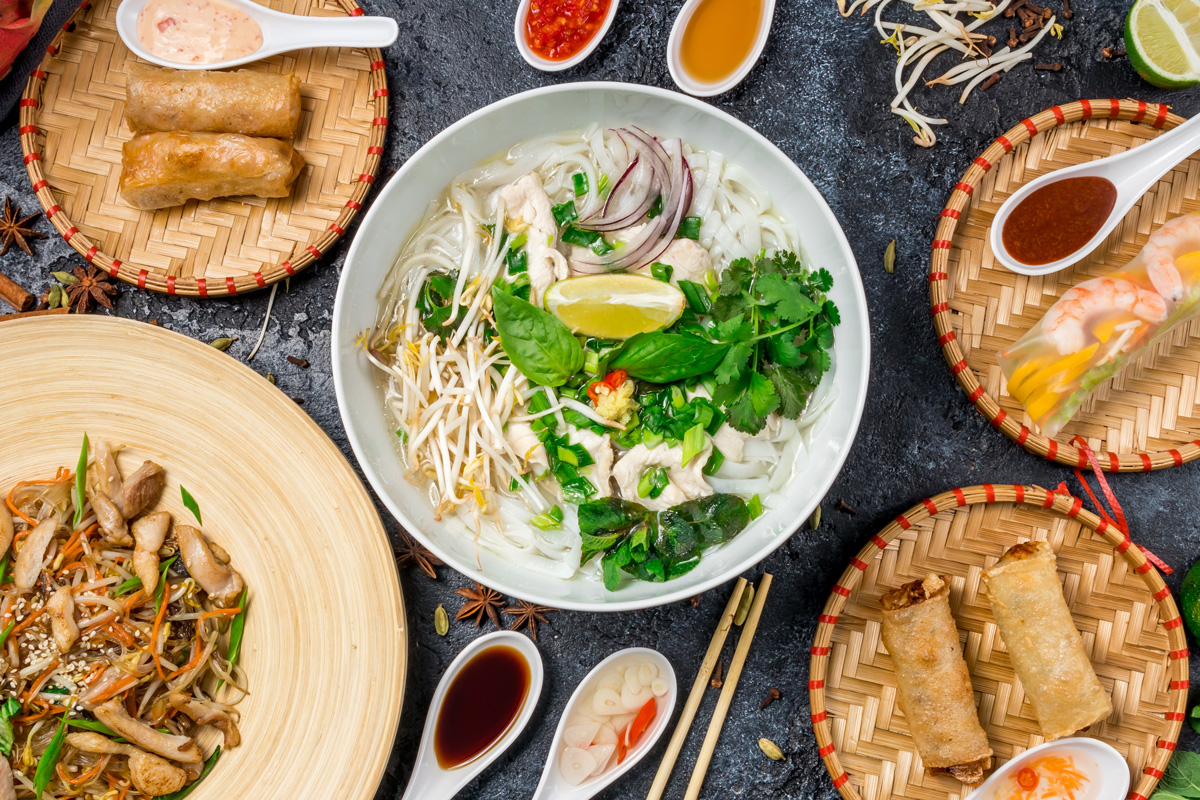
When people think of Vietnamese cuisine, they instantly imagine steaming bowls of Phở and crispy Bánh Mì. However, because traditional Vietnamese cooking relies heavily on pork and pork bone broths, Muslim travelers often worry they might miss out on the country’s world-famous culinary heritage.
The good news? You don’t have to compromise! Thanks to a growing Muslim-friendly tourism sector and the rich culinary traditions of Vietnam’s native Cham Muslim community, you can enjoy authentic local flavors that are strictly Halal.
Here are the top 10 authentic Halal Vietnamese dishes you absolutely must try during your visit.
1. Halal Phở (Vietnamese Noodle Soup)
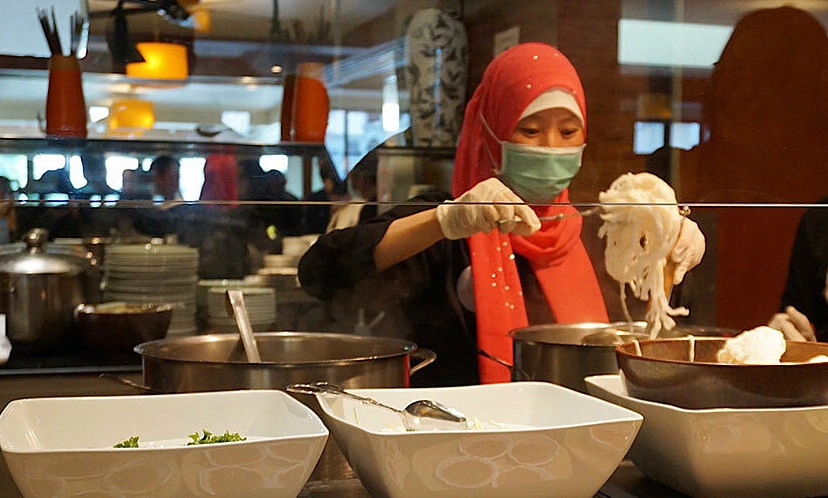
You cannot visit Vietnam without trying its national dish. Traditional Phở uses a beef or chicken broth simmered for hours with star anise, cinnamon, and roasted ginger. In Halal-certified restaurants, the broth is prepared using strictly Halal-slaughtered beef (Phở Bò) or chicken (Phở Gà). Served with flat rice noodles, fresh herbs, and a squeeze of lime, Halal Phở offers the exact same deeply aromatic and comforting experience as the original.
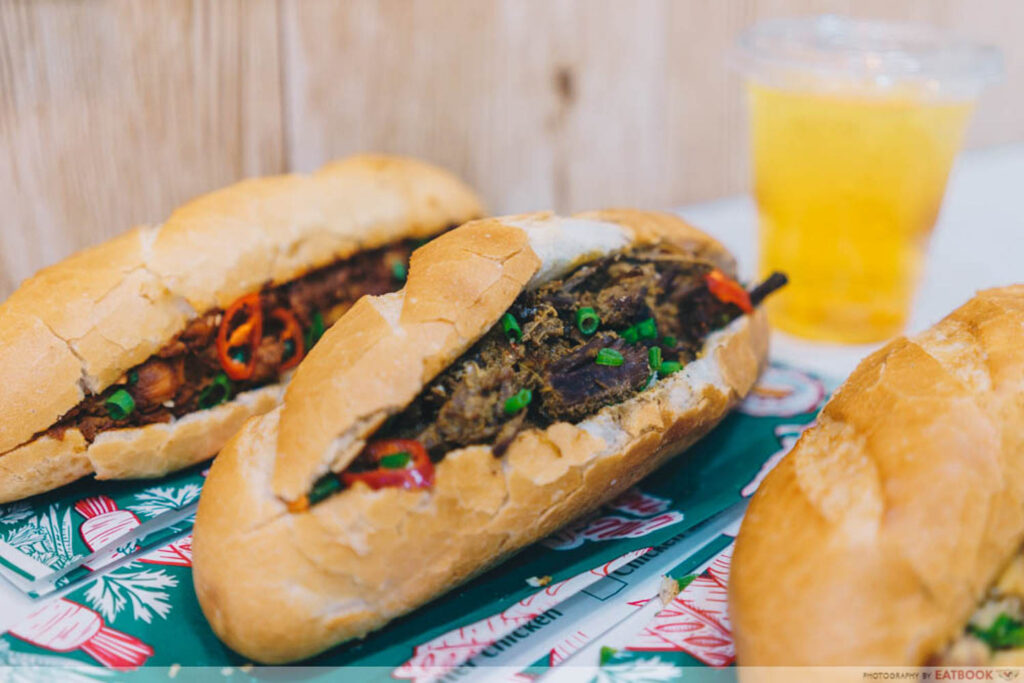
2. Halal Bánh Mì (Vietnamese Baguette)
The iconic Vietnamese sandwich is a symphony of textures: a crispy, airy baguette stuffed with savory meats, pickled daikon, carrots, cucumber, and fresh cilantro. While standard street-side Bánh Mì usually contains pork pâté and cold cuts, Halal eateries in cities like Ho Chi Minh City serve incredible versions using Halal grilled chicken, beef, and specially made chicken liver pâté.
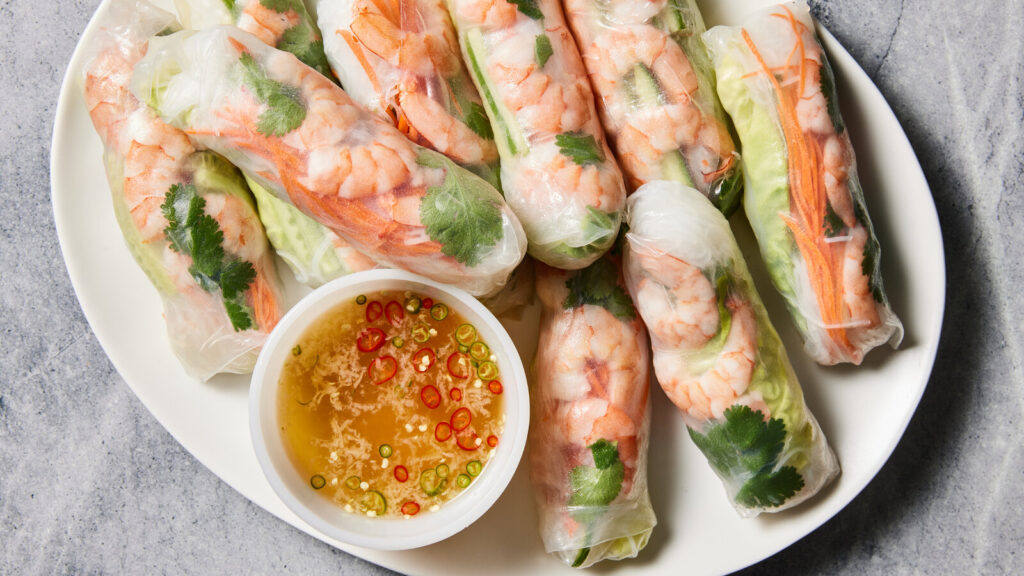
3. Gỏi Cuốn (Fresh Spring Rolls)
Healthy, refreshing, and naturally Muslim-friendly, Gỏi Cuốn consists of shrimp, rice vermicelli, and fresh herbs tightly wrapped in translucent rice paper. Since this dish focuses on seafood and vegetables, it is widely safe to eat. Just be sure to enjoy it with the traditional peanut dipping sauce or sweet chili sauce, avoiding any dipping sauces that might contain non-Halal flavorings.
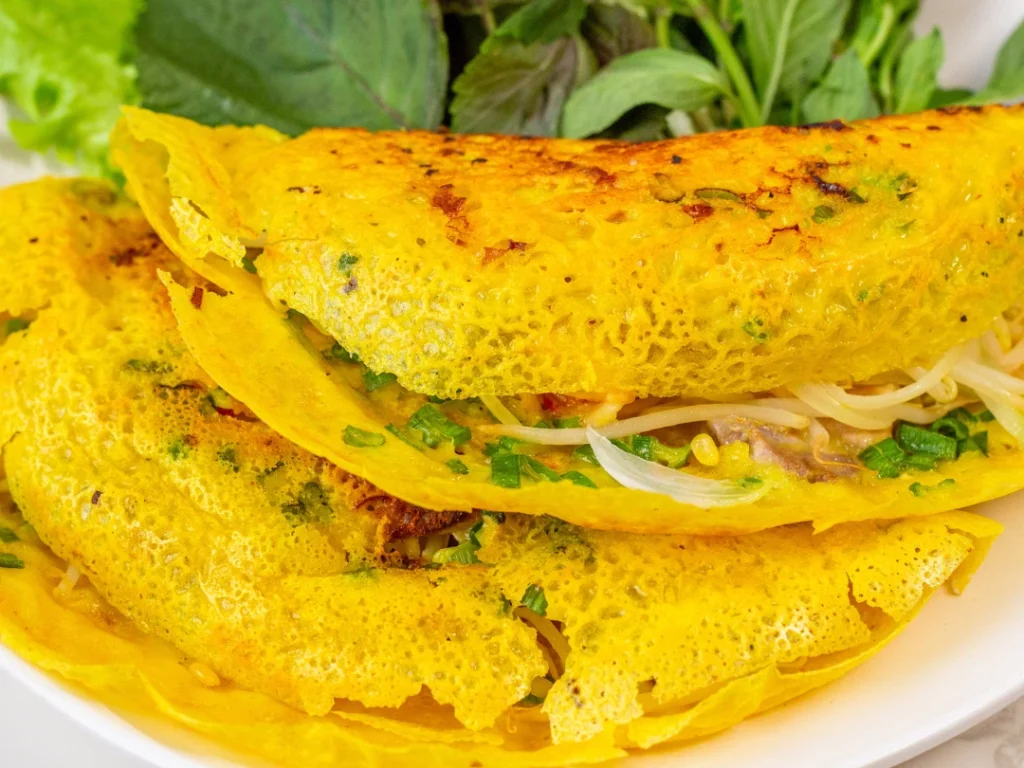
4. Bánh Xèo (Sizzling Savor Pancake)
Bánh Xèo translates to “sizzling pancake,” named after the sound the rice batter makes when it hits the hot skillet. The batter is infused with turmeric, giving it a bright yellow color, and is typically folded over a filling of shrimp, bean sprouts, and occasionally Halal-certified minced chicken or beef. You eat it by wrapping a piece of the crispy pancake in fresh mustard leaves and dipping it into a sweet and sour fish sauce.
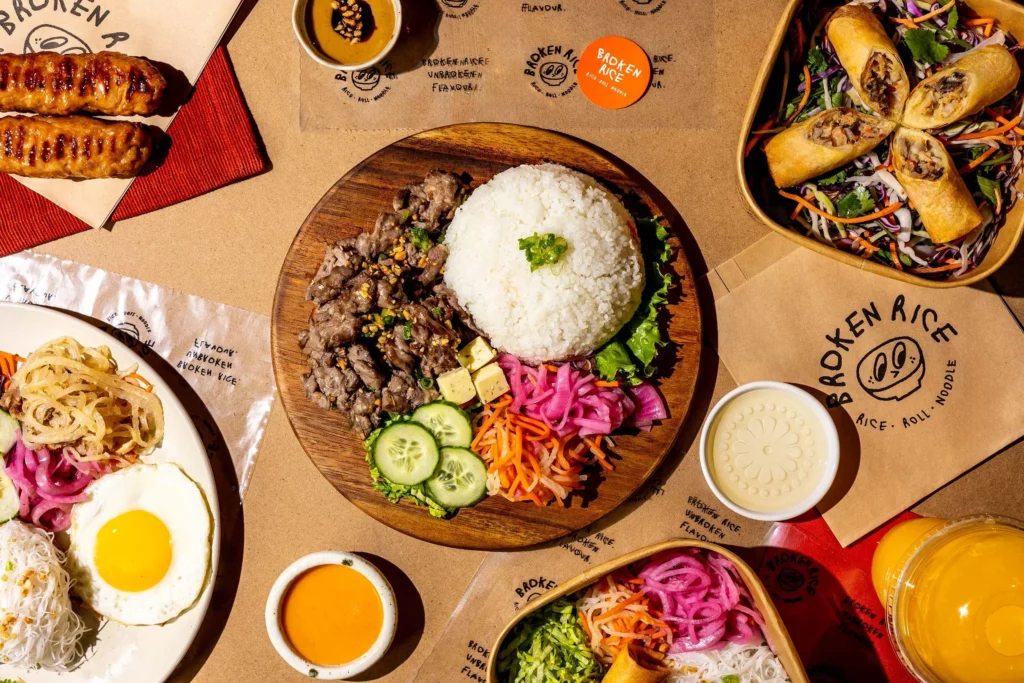
5. Cơm Tấm (Broken Rice) – Halal Style
Cơm Tấm is the quintessential Southern Vietnamese comfort food. The traditional version features grilled pork, but Halal restaurants have brilliantly adapted this beloved dish. Halal Cơm Tấm features a bed of fluffy “broken” rice topped with perfectly marinated, charcoal-grilled BBQ chicken or beef, served alongside a fried egg, scallion oil, and pickled vegetables.
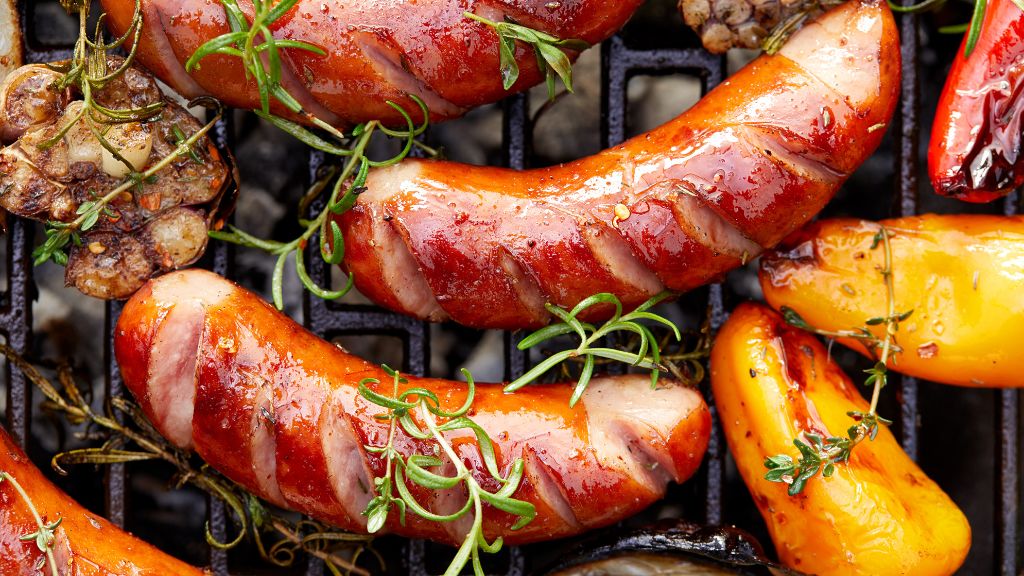
6. Tung Lò Mò (Cham Beef Sausage)
If you want to dive deep into local Islamic culture, this dish is a must-find. Originating from the Cham Muslim community in the Mekong Delta—specifically around the Chau Doc area in An Giang province—Tung Lò Mò is a traditional beef sausage. It is made from high-quality Halal beef and local spices, then sun-dried and grilled over an open flame. It is a smoky, savory, and slightly tangy delicacy that perfectly represents Vietnam’s native Muslim heritage.
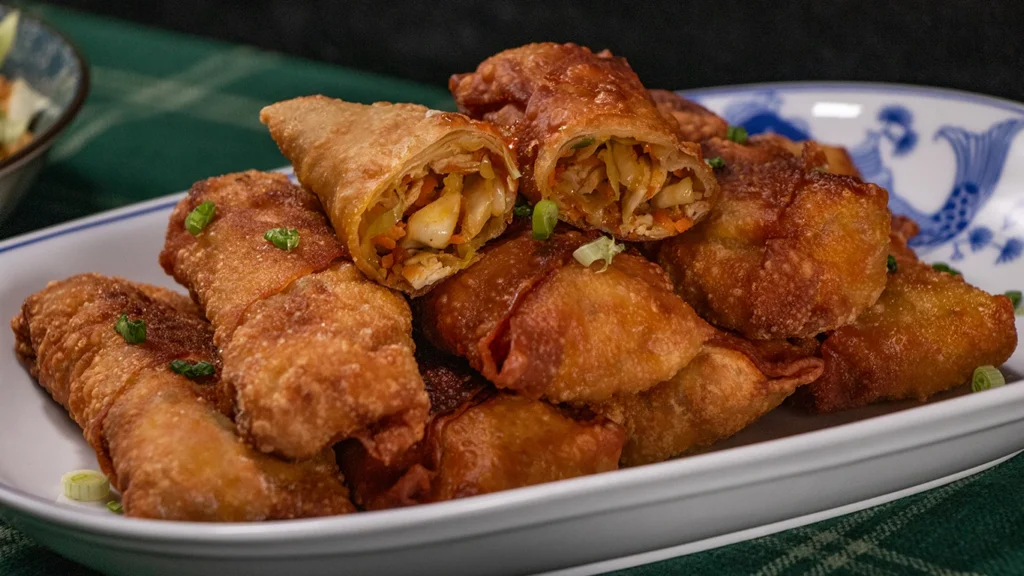
7. Chả Giò (Fried Spring Rolls)
Unlike the fresh Gỏi Cuốn, Chả Giò is deep-fried to golden perfection. Halal versions are stuffed with a mixture of minced Halal chicken or beef, shrimp, wood ear mushrooms, glass noodles, and diced vegetables. Wrapped in rice paper and fried until crisp, they are incredibly addictive, especially when dipped in sweet chili sauce.
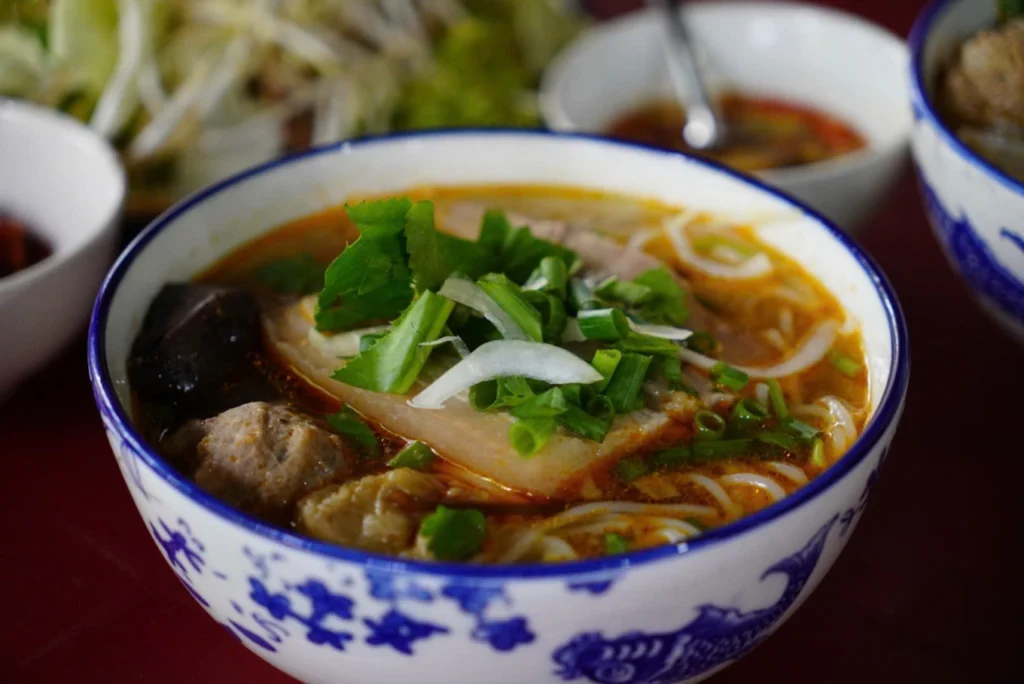
8. Bún Bò Huế (Spicy Beef Noodle Soup)
Originating from the former imperial capital of Hue, Bún Bò Huế is Phở’s spicier, more robust cousin. The broth is heavily infused with lemongrass, shrimp paste, and chili oil. Authentic Halal restaurants recreate this complex flavor profile using rich Halal beef broth, thick round rice noodles, and tender slices of Halal beef brisket. It is a bold, fiery dish perfect for spice lovers.
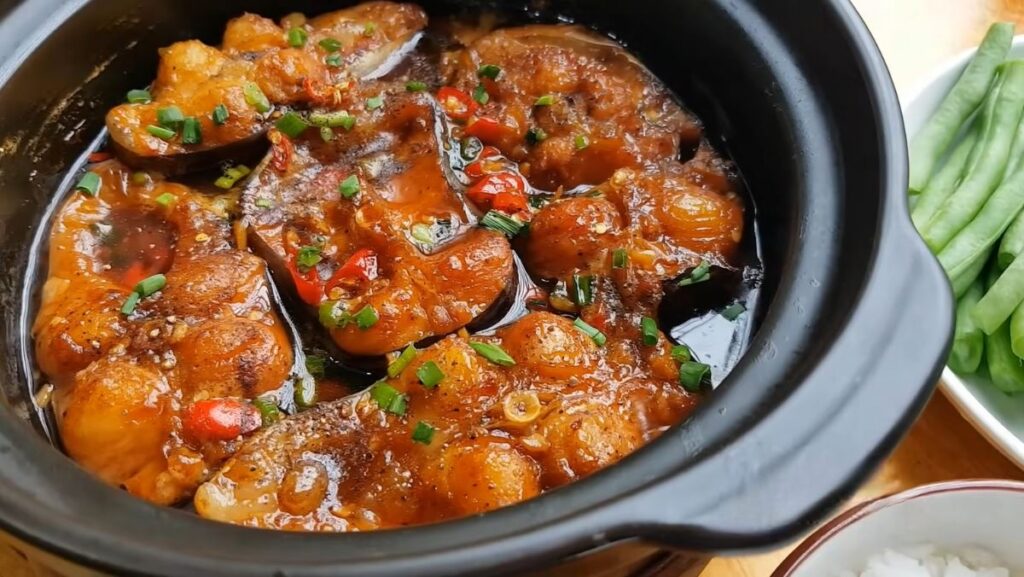
9. Cá Kho Tộ (Caramelized Claypot Fish)
A staple in everyday Vietnamese family meals, Cá Kho Tộ features fish (often snakehead or catfish) braised in a traditional clay pot. The thick, bubbling sauce is a magical reduction of fish sauce, sugar, garlic, and black pepper, creating a deeply savory and sweet caramelized glaze. Since it is entirely seafood-based, it is easily found in many standard restaurants—just request that no pork fat (tóp mỡ) is used in the cooking process.
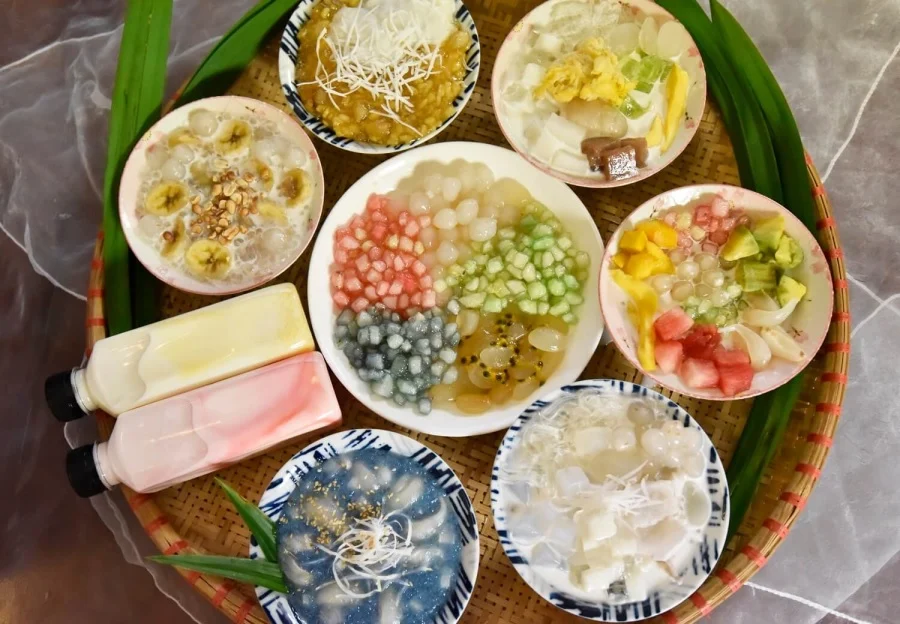
10. Chè (Vietnamese Sweet Soup)
Time for dessert! Chè is a broad term for traditional Vietnamese sweet soups, puddings, and beverages. Made from ingredients like mung beans, black-eyed peas, tapioca pearls, lotus seeds, and rich coconut milk, Chè is entirely plant-based and naturally Halal. Whether served hot on a cool Hanoi evening or poured over crushed ice on a sunny Saigon afternoon, it is the perfect sweet ending to your culinary journey.
💡 A Quick Dining Tip for Muslim Travelers
While dishes like Gỏi Cuốn (Fresh Spring Rolls) and Cá Kho Tộ (Claypot Fish) are naturally free of non-Halal meats, cross-contamination is always a possibility at regular street food stalls. For complete peace of mind, we highly recommend seeking out restaurants with official Halal certifications or those clearly designated as Muslim-owned, especially when trying meat-based dishes like Phở or Bánh Mì.
Hungry for more? Check out our city guides to find the best-rated Halal restaurants and eateries across Vietnam!